Orthopedic Clinic Near Me: Understanding Orthopedic Doctors, Surgeons, and Care Networks
When people search for an orthopedic clinic near me, they are usually looking for clarity about orthopedic care, provider roles, and treatment options before taking next steps. These searches often happen when joint pain, injury, or mobility issues begin interfering with daily life, and individuals want to understand what type of orthopedic care is appropriate before taking next steps.
This article is written for educational and informational purposes only, with the goal of explaining how orthopedic care is structured, what different orthopedic providers do, and why search results and patient experiences may vary.
What Is an Orthopedic Clinic?
An orthopedic clinic is a medical practice focused on conditions affecting the musculoskeletal system, including bones, joints, muscles, ligaments, and tendons. Orthopedic clinics may provide:
Diagnostic evaluations
Imaging coordination
Non-surgical treatment planning
Surgical consultation when necessary
Follow-up and continuity of care
Some orthopedic clinics operate as independent practices, while others function as part of a larger physician group or care network.
When someone searches for an orthopedic clinic near me, the intent is usually related to accessibility, specialization, and continuity, rather than emergency care.
Orthopedic Doctor, Orthopedic Physician, and Orthopedic Surgeon: What’s the Difference?
These terms are frequently used interchangeably, but they describe different roles within orthopedic care.
Orthopedic Physician
An orthopedic physician is a medical doctor (MD or DO) who specializes in diagnosing and treating musculoskeletal conditions. This term broadly includes both surgical and non-surgical orthopedic specialists.
Orthopedic Doctor
The phrase orthopedic doctor is a general, patient-facing term. It usually refers to an orthopedic-trained physician who evaluates symptoms, orders imaging, and recommends appropriate treatment plans.
Orthopedic Surgeon
An orthopedic surgeon is an orthopedic physician with additional training in surgical procedures. While surgeons are qualified to perform surgery, they also manage many conditions non-surgically. Surgery is typically considered only when conservative treatments are ineffective or when structural issues require intervention.
Searching for an orthopedic surgeon near me does not necessarily mean surgery is required—it often reflects concern about the severity or persistence of symptoms.
Common Reasons People Seek Orthopedic Evaluation
Orthopedic care is often sought for symptoms such as:
Persistent joint pain (knee, hip, shoulder, ankle, elbow)
Reduced mobility or stiffness
Swelling or inflammation
Mechanical symptoms like popping, clicking, or instability
Sports or overuse injuries
Degenerative joint conditions
Recovery after fractures or trauma
Orthopedic evaluation focuses on identifying the underlying cause of symptoms rather than treating pain alone.
Orthopedic care focuses on conditions affecting the musculoskeletal system, including bones, joints, muscles, ligaments, and tendons, as defined by the American Academy of Orthopaedic Surgeons.
How Orthopedic Conditions Are Evaluated
Most orthopedic evaluations follow a structured process:
Review of medical history and symptom progression
Physical examination assessing strength, alignment, and movement
Imaging studies such as X-rays or MRI when indicated
Diagnosis and discussion of appropriate treatment options
Many orthopedic conditions can be managed without surgery.
Non-Surgical Orthopedic Care
Non-operative treatment options may include:
Physical therapy
Activity modification
Anti-inflammatory management
Injection-based therapies when clinically appropriate
Bracing or supportive devices
These approaches aim to reduce pain, improve function, and prevent further progression.
When Surgical Evaluation May Be Considered
Surgery may be evaluated when:
Symptoms persist despite conservative treatment
Structural damage affects joint stability or function
Pain significantly limits daily activities
Imaging confirms mechanical or degenerative changes
Surgical recommendations are based on a combination of symptoms, examination findings, and imaging—not imaging alone.
Why “Near Me” Searches Matter in Orthopedic Care
Searches that include “near me” often reflect practical considerations such as:
Ease of follow-up visits
Access to imaging and rehabilitation
Availability for urgent or after-hours concerns
Continuity of care over time
Orthopedic treatment frequently involves multiple visits, making proximity an important factor.
Understanding Orthopedic Clinics Within Physician Groups
Many orthopedic physicians practice as part of larger orthopedic or medical groups. In these cases:
Phone calls may be answered using the group’s name
Scheduling systems may be centralized
After-hours calls may route through a shared service
This structure supports coordinated care but can sometimes cause confusion when patients expect to hear a specific clinic or physician name.
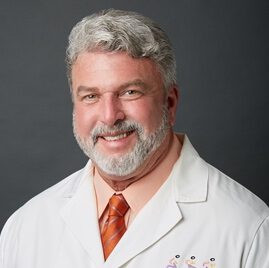
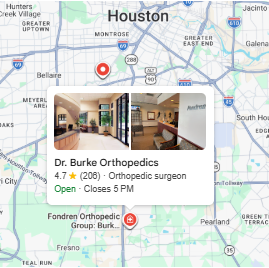
Dr. Burke Orthopedics operates within the Fondren orthopedic care group, which provides centralized scheduling, call coverage, and after-hours support. While intake or call handling may reference the group name, care is delivered by the individual physician.
Understanding this structure can help patients recognize they have reached the appropriate orthopedic provider, even when a group name is used during phone or scheduling interactions.
Why Search Results May Differ for Orthopedic Care
Search engines use proximity, relevance, specialty alignment, and availability to generate results. Variations in wording—such as clinic, doctor, physician, or surgeon—can produce different listings even when providers offer overlapping services.
This is why educational clarity is important when navigating orthopedic care options online.
Clinical Review and Content Purpose
This article reflects commonly accepted orthopedic evaluation and treatment principles and has been reviewed for medical accuracy by a board-certified orthopedic physician practicing in Texas.
Content Purpose:
This article is intended for informational and educational purposes only and does not replace professional medical evaluation, diagnosis, or treatment.
Frequently Asked Questions About Orthopedic Care
-
What is the difference between an orthopedic clinic and an orthopedic surgeon?An orthopedic clinic may include multiple physicians and services, while an orthopedic surgeon is a physician trained to perform surgery. Both may provide non-surgical evaluation and treatment.
-
Does searching for an orthopedic surgeon near me mean surgery is required?No. Many people search for orthopedic surgeons when symptoms persist, but surgery is only considered when conservative treatments are ineffective or structural issues are present.
-
Why do orthopedic offices sometimes answer the phone using a group name?Many orthopedic physicians practice within larger care groups that provide centralized scheduling and after-hours coverage. Calls may be answered using the group name even though care is provided by the individual physician.
-
What does near me mean when searching for orthopedic care?“Near me” typically reflects convenience and accessibility for follow-up care rather than emergency treatment.