


 Robert Burke
Knee Popping and Pain: Causes, Symptoms, and When to Be Evaluated
Knee Popping and Pain — What It May Mean
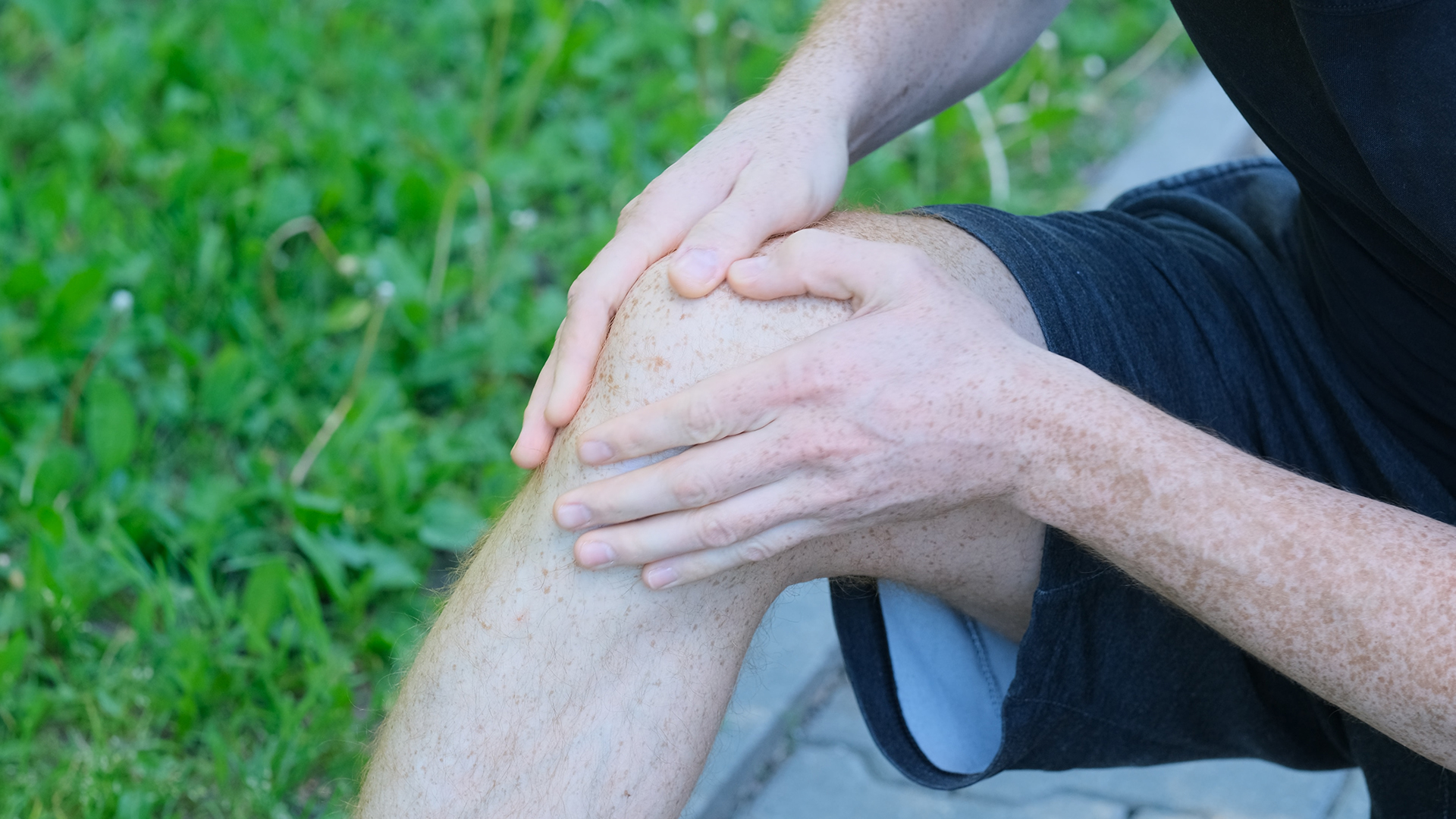
Knee popping accompanied by pain is a symptom that often raises concern. While popping or cracking sounds in the knee can sometimes occur without pain, the combination of popping and discomfort may indicate irritation, inflammation, or mechanical changes within the joint.
Painful knee popping may occur during walking, bending, squatting, climbing stairs, or standing up after sitting. Persistent or worsening symptoms should be evaluated by an orthopedic specialist.
Educational Notice: This content is for informational purposes only and does not provide a medical diagnosis. A licensed orthopedic physician must evaluate knee symptoms to determine the cause and appropriate care.
Why the Knee May Pop and Hurt
The knee joint relies on smooth interaction between cartilage, ligaments, tendons, and joint surfaces. Popping sounds may occur when movement is disrupted or when tissues shift abnormally.
Knee popping with pain may result from:
- Irregular joint surface movement
- Cartilage or meniscus involvement
- Joint inflammation
- Tendon or ligament irritation
- Changes in joint alignment or mechanics
Common Causes of Knee Popping and Pain
Several knee-related conditions may cause painful popping sensations.
Meniscus Injury
Meniscus tears can cause popping or clicking sounds accompanied by pain, especially during twisting or squatting movements.
Cartilage Wear or Damage
Damaged cartilage may lead to uneven joint surfaces, causing popping sensations and discomfort during movement.
Patellofemoral Joint Issues
Improper movement of the kneecap during knee motion may cause popping sounds and pain, particularly during bending or stair use.
Tendon or Ligament Irritation
Inflamed tendons or ligaments may snap or shift during movement, producing popping sensations with associated pain.
Joint Inflammation
Inflammation within the knee joint can alter movement patterns, leading to painful popping or cracking sensations.
Symptoms That May Occur Alongside Knee Popping and Pain
Painful knee popping may be accompanied by:
- Swelling or stiffness
- Aching or sharp pain during movement
- Catching or locking sensations
- A feeling of instability
- Reduced range of motion
- Pain that worsens with activity
These associated symptoms help guide further evaluation.
When Knee Popping and Pain Should Be Evaluated
An orthopedic evaluation is often recommended if:
- Popping is consistently painful
- Pain worsens over time
- Swelling persists
- The knee feels unstable or weak
- Popping interferes with walking or daily activities
- Mechanical symptoms such as catching or locking occur
Early evaluation may help prevent further joint damage.
How Knee Popping and Pain Are Evaluated
Evaluation by an orthopedic specialist typically includes:
- Review of symptom history and activity patterns
- Physical examination of knee movement and stability
- Assessment of alignment and strength
- Imaging studies such as X-rays or MRI when appropriate
At Dr. Burke Orthopedics, evaluation focuses on identifying the source of symptoms and developing a personalized treatment plan.
Treatment Options for Knee Popping and Pain
Treatment recommendations depend on the cause and severity of symptoms.
Conservative Treatment
- Activity modification
- Physical therapy to improve strength and joint mechanics
- Anti-inflammatory strategies
- Supportive bracing when appropriate
Injection-Based Options
Injection therapies may be discussed in certain cases to help manage inflammation or joint irritation as part of a comprehensive plan.
Surgical Evaluation
Surgical treatment is considered only when conservative approaches are unsuccessful and imaging findings support intervention.
Supporting Healthy Knee Movement
General strategies that may support knee health include:
- Avoiding repetitive high-impact activities
- Strengthening muscles around the knee and hips
- Maintaining proper movement mechanics
- Addressing knee pain early
When to Seek Personalized Orthopedic Care
Knee popping accompanied by pain should not be ignored, especially when it affects mobility or daily activities. A professional orthopedic evaluation can help determine the cause and guide appropriate next steps.
If painful knee popping continues or worsens, consulting an orthopedic specialist can provide clarity and reassurance.
Schedule an Appointment with Dr. Burke Orthopedics
🔗 Related Knee Topics
- Knee catching sensation
- Knee clicking when walking
- Knee feels unstable
- Meniscus tear symptoms